Beyond Bingo: What the Research Says About Creative Quality of Life Programming for Older Adults
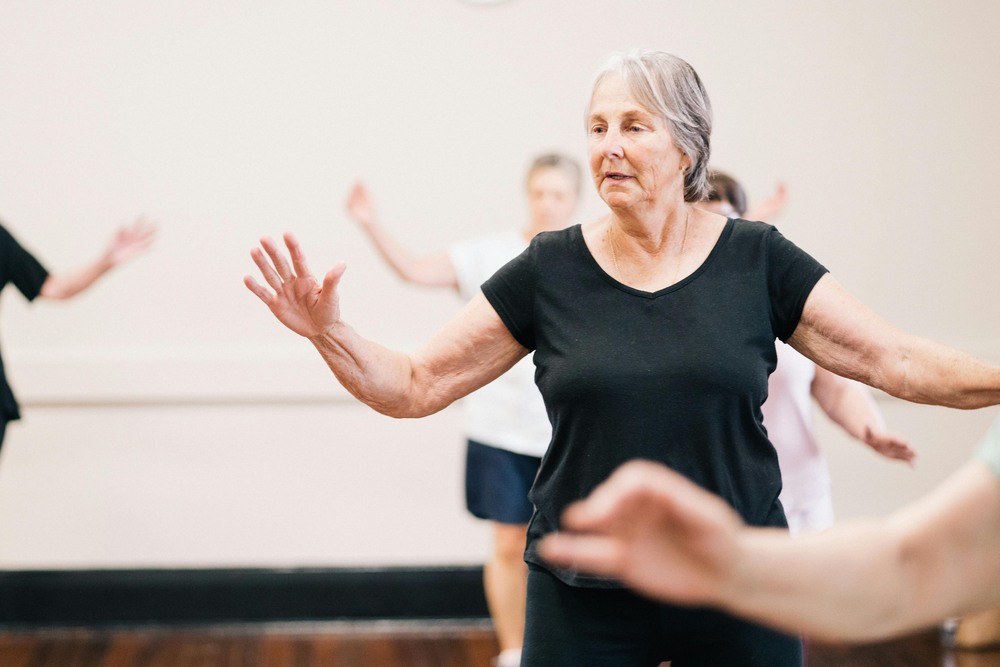
Don’t let the title fool you—I would never belittle Bingo. When I talk about adding creative aging to a community, it’s never to replace beloved traditions like Bingo. Instead, I’m advocating for the addition of a new favorite activity to the community calendar. One that’s backed by research and results in higher social engagement, lower isolation and depression, and deeper community connection.
What Is Creative Aging?
Creative aging is the engagement of arts activities to increase or maintain the health and well-being of older adults. More than a simple way to pass the time, arts activities can be a meaningful health intervention with outcomes that may surprise you.
The Evidence Is Clear
Did you know there’s a substantial body of research demonstrating robust health outcomes when older adults participate in arts programming? In 2006, a landmark study— The Creativity and Aging Study by Dr. Gene Cohen—was conducted across several U.S. cities and clearly demonstrated the impact creative arts experiences can have on older adults.
The study compared a control group who did not participate in arts programming with an intervention group who attended 10-week classes in various arts activities, including dance, music, and visual arts. By the end of the 10 weeks, the older adults who attended the arts sessions reliably demonstrated:
- Lower prescription medication usage
- Fewer doctor visits
- Decreased falls
- Improvements in loneliness and depression
- A ripple effect leading to greater engagement in all activities
What aging services provider wouldn’t want these outcomes in their community? And all for the cost of hiring a dance instructor, improv theater artist, or drummer to come for 10 sessions.
The Research Continues to Grow
Since the landmark 2006 study, a growing body of research supports the same conclusion: arts participation is a health intervention. In 2024, the Indiana Arts Commission, in partnership with the University of Indianapolis Center for Aging and Community, conducted a large study of arts programming for older adults across the state in a range of community settings called the Lifelong Arts Indiana Research Report. The Indiana results echo previous research, showing significant impacts on older adults’ mental and physical health. Excitingly, rural communities showed even higher impacts with these interventions, specifically on the physical health improvements.
The Return on Investment
The return on investment for arts programming for older adults is too compelling to ignore. When you invest in more arts experiences for the older adults in your community, you’ll see exponential benefits—not just for residents, but for your entire organization.
Stephanie Haines is the Founder and CEO of Prismatic, a consultancy delivering research-based arts and creativity interventions for older adults. You can learn more about Prismatic at prismaticcreativeaging.com