Workforce & Leadership
Aging & Community
When Teams Work Well, Older Adults Feel It
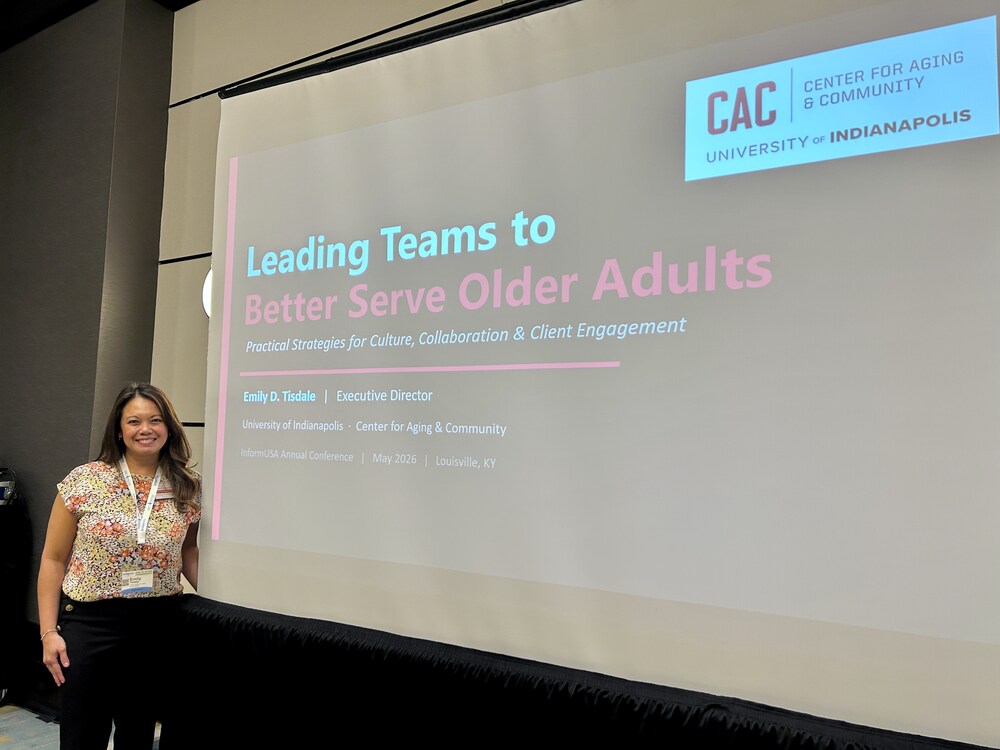
I presented at the InformUSA Annual Conference recently, and while I walked in prepared for a good session, I walked out thinking about that room for days.
Community navigators, information and referral professionals, aging services leaders — people who are the connective tissue of the systems that support older adults — came with questions, pushed back thoughtfully, and were not interested in theory. Instead, they wanted tools.
What I gave them was a framework. What surprised me was how much of it they were already living.
The Problem Hiding in Plain Sight
The organizations doing this work are stretched. Staff turnover disrupts client relationships just when trust is building; teams operate in silos; leaders manage up and down simultaneously, leaving no bandwidth for strategy. And often, burnout wears the disguise of dedication.
None of this is new. But here's what I've come to believe after 25 years working alongside aging services organizations: the problem usually isn't the people. Instead, it's the absence of intentional structures around them.
When those structures are missing, good people burn out. When they're in place, good people thrive — and as a result, so do the older adults they serve.
The CAC C3 Framework
The session was built around what we call the C3 Framework: three interconnected areas that determine how well a team performs and how well clients are served.
- Culture — how a team understands its purpose and treats each other under pressure.
- Collaboration — how a team communicates, shares responsibility, and works through friction.
- Client Engagement — how older adults experience the team, and how staff sustain that level of service over time.
These three areas build on each other. You can't have strong collaboration on a team with a fractured culture. And you can't deliver consistent, excellent service to older adults if your collaboration is broken. So we start from the inside out.
Everyday Things, Seen Differently
Across those three areas, I shared 11 strategies, and here's what I told the room from the start: none of them are revolutionary.
Weekly check-ins, clear roles, warm handoffs, and celebrating small wins – these are things aging services teams are already doing in some form.
What I asked them to do was see them differently.
Take a debriefing after a hard call. Most teams either skip it entirely or treat it as an informal hallway conversation. But when you name it as a practice — when you build it into how your team operates — it becomes something else entirely. It becomes professional maintenance. A structural way of acknowledging that this work is heavy, and that the people doing it deserve support that's built in, not bolted on.
That reframe got more reaction than anything else I said all morning.
Why This Matters Beyond the Conference
The organizations that serve older adults well over the long term aren't necessarily the ones with the most resources. They're the ones that invest in their teams with the same intentionality they bring to their programs.
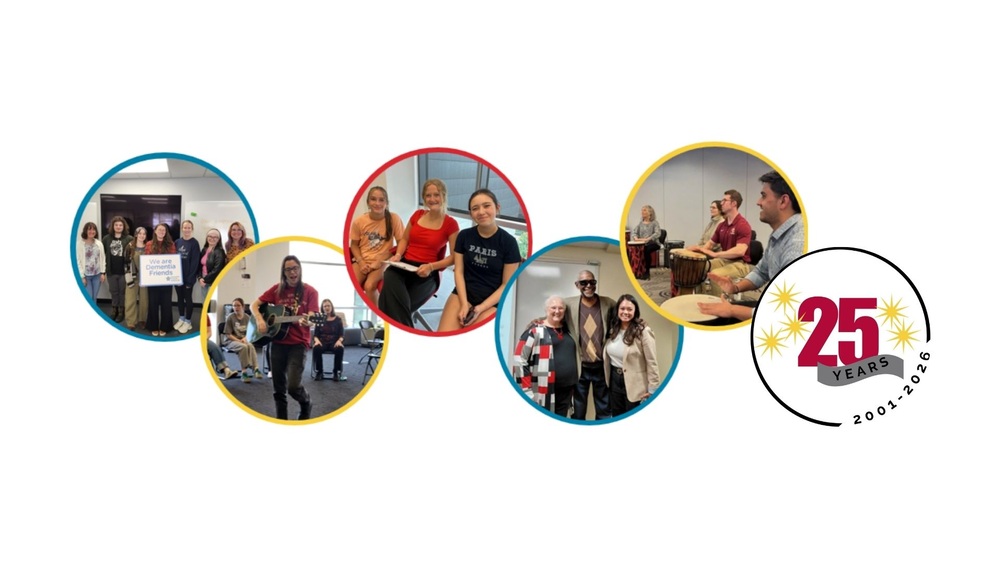
That's the work the Center for Aging & Community has been doing for 25 years — not just researching these questions, but partnering directly with organizations to put the answers into practice.
If any of this resonates, we'd love to connect. The Center for Aging & Community works alongside aging services organizations on exactly these questions — reach out at TisdaleE@uindy.edu or learn more at uindy.edu/cac.
Emily D. Tisdale is the Executive Director of the University of Indianapolis Center for Aging & Community, a 25-year-old center focused on aging research, workforce development, consulting, and community education.