What UIndy Honors Students Are Doing
Student Stories
When I first came to the University of Indianapolis (UIndy) as an international student from Myanmar, I wasn’t sure how my voice or experiences would fit in. Yet, the Honors College quickly became a place where I could challenge myself academically while also finding support and community. It has encouraged me to grow not just as a student, but as a leader and as a person.
My Honors Project on Myanmar has been one of the most meaningful parts of my journey. It gave me the chance to connect my academic work with my personal background and to share a perspective that is often overlooked in classrooms. Honors College gave me the confidence to see that my story has value and that research can also carry personal meaning. The flexibility of Honors College has also allowed me to pursue a double major in Political Science and International Relations, along with double minors in Business Administration and Legal Studies, while beginning the 4+1 master’s program. My advisors have been incredibly supportive in helping me balance these opportunities, which has made all the difference. Honors has also inspired me to step into leadership roles here at the University of Indianapolis, whether serving as International Student Representative in Student Government, working with the Myanmar Student Association, or even helping lead research with the Burmese American Community Institute in Indianapolis. Each of these experiences has been shaped by the skills and encouragement I found through Honors.
For me, Honors is more than an academic distinction on a degree. It has been a constant reminder that resilience and responsibility matter, and that education is not only about achievement but also about purpose. As I look ahead to law school, I know I will carry forward the lessons and confidence I’ve gained at the UIndy Honors College to help ensure that every voice is heard and supported.
I always enjoyed learning from and working with hard-working intelligent students. I really like the idea of developing my own research and doing more than the "normal" student. I want to be special and leave a long-lasting positive impact and the Honors College seemed to be a step in that direction. I am always pumped to give my best and excel. I am extremely motivated to make a change and help other people, which is one of the reasons why I decided to research the potential for a natural anti-cancer treatment for my Honors Project.
The honors project process has a lot of deep meaning for me. I have been working on this with my heart and soul to make novel findings in this area. It has shown me what I can achieve with constant hard work but also serve others through the research I do.

The most meaningful experience I have had in the Honors College is the constant support of Dr. Williams and the Honors Faculty. The faculty knows that the honors program is rigorous, and they provide ongoing encouragement, motivation, and direction for students to excel and achieve their goals. The faculty are outstanding mentors and go out of their way to provide students with the guidance that they need to be successful.
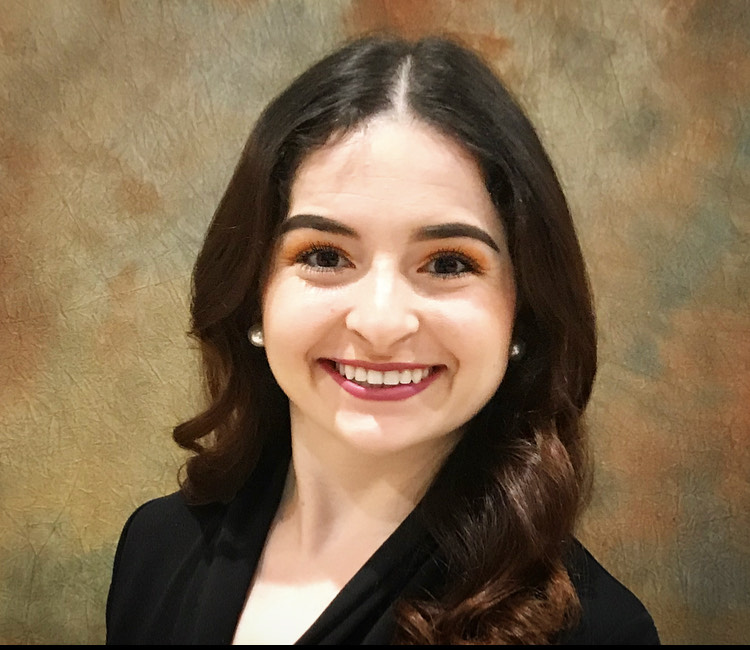
I would encourage incoming students to participate in every aspect of the Honors College. The Honors College provides a unique opportunity to grow intellectually and to set goals that will enhance students’ long-term professional development.
I chose to be part of the Honors College because I saw it as an opportunity to more deeply experience the world of academia in a way that is otherwise inaccessible to me. Knowing that I'll be able to access the chance to "try out" performing academic research and doing the kinds of conference/showcase presentations that academics do would fulfill an interest I've had for some time, especially because of how much I want to try out different things. And even being able to work on building my portfolio of writing/work through the honors (option) classes I've been able to take has been really valuable for me. For me, the opportunities that are available through the program is what excites me, because it allows me to learn about things I can pursue that I don't think I'd have known about before.
For an incoming student thinking about joining the Honors College, I think it's important to have an idea about what you want to get from the program. The program is fairly straightforward up until junior or senior year, since most of the honors courses you can take can easily take the place of gen-eds (or major/minor courses if you honors option), but with like an extra project or two sprinkled in. Once you start getting into your Honors Project, it's important to know what you want to do with it, because at the end of the day, the Honors College experience is yours to design. It can be just extra work just to say you did it, or it can become something greater than a line on your resume; a foundation, an experience, a memory, or even more.

Professor Perspectives

Teaching and mentoring undergraduate students is one of my true passions, and during my tenure at UIndy, I have had the opportunity to work with a number of honors students. In my mind, research and honors are intimately linked to teaching and service. It is such a treat to watch the developmental process of each student as the light bulb turns on when a student begins to comprehend trends from the data they have collected for their honors project. I enjoy pushing students beyond what they think are their limitations as they learn to proficiently read literature and apply that knowledge to their data in the process. This is daunting at times for my students, but by the time they have completed their data collection and literature review, they are thinking on the level of a graduate student and are doing graduate student-grade research. The ability to be part of the entire process is critical to me. Seeing a student go through the process of reading literature on the research areas in my lab, apply it to their honors project, carry out and complete data collection, and eventually produce a thesis is the main reason why I keep taking on honors students. They are so fun to work with and it is an honor and privilege to work with such talented UIndy students as those in the Honors College.
The process of taking students on the journey of a research project and watching them expand how they think and how they apply the foundational information they gathered in their early academic experiences at the University of Indianapolis is the main reason I really enjoy honor’s mentoring. The time I spend with each student as they navigate this challenging work leads to not only outstanding results for their projects but builds a lasting long-term mentorship that goes beyond UIndy for my honors students. I maintain strong relationships with my students after their UIndy experience, continuing to mentor and provide aid to all of my past honors students as they push beyond UIndy to become the global professionals they seek to become. For me, watching the success of my honors students as they continue through life’s journey is the reason I am so passionate about serving our students as an educator.

I have been lucky during my time at UIndy to work with honors students in a number of capacities, including teaching honors first-year seminars and other courses, mentoring students on their honors project research, working with research and presidential fellows, and working as an Honors faculty fellow to put on honors events. One of my favorite parts of this work is getting to see students grow from their freshman year through their senior year and beyond. Through teaching honors courses, I am able to interact and build relationships with Honors students across majors and disciplines throughout their four years, and it is amazing to see what they accomplish here at UIndy and beyond.
I started working for the Honors College as a Faculty Fellow during my second year at UIndy. In that role, I have developed several new honors courses, including a first-year seminar on environmental inequality. In that class, students learn about a number of different environmental issues, the science underlying them, and how different communities are impacted by those issues. Students also learn the foundations of research and write their first literature review on an issue of environmental inequality of their choice. I really enjoy working with freshmen honors students and helping them grapple with environmental challenges that have no true solution, all while helping them navigate their first semester of college. I also love watching these students grow during their first year and beyond, and the relationships that the honors faculty at UIndy are able to develop with students during their time at UIndy and beyond. Since I started in 2020, I have had the pleasure of mentoring 5 honors students on research projects, and beyond sharing the excitement of research with them, it has been even more rewarding to see how they grow and learn how to navigate challenges and become increasingly independent. I still regularly run into my students at professional conferences, and it is great to hear what they have done in graduate school and beyond. I also enjoy the opportunity to collaborate with other honors faculty across disciplines. Overall, the Strain Honors College is a welcoming community that challenges students to grow and learn in a supportive environment, and I love being part of that.