
Bachelor of Music in Music Therapy

Create Music. Connect with Others. Cultivate Wellness.

As a musician, you have a deep connection to music — emotionally, physically, and creatively. You’ve likely experienced its power to support well-being and foster personal growth. Music therapy is a clinically informed, evidence-based profession that uses music to support mental, emotional, physical, and spiritual health across a wide range of populations and settings.

Through our AMTA- and NASM-accredited music therapy program, you’ll be prepared to pursue board certification (CBMT) and enter a career where your musicianship becomes a tool for connection, healing, and transformation. Whether supporting someone in regaining motor skills after a stroke or helping a child express emotions through songwriting and improvisation, music therapy allows you to walk alongside others by fostering connection and support on their journey toward enhanced wellness and greater quality of life.

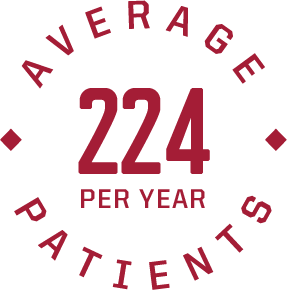
  • 224 average patients per therapist per year
  • hands-on experience
  • ranked as a national university by u.s. news and world report

Advantages

  • Combines your love of music with your passion for helping others

  • Learning from board-certified music therapists in the classroom and the community

  • Opportunities for clinical training on campus and in the greater Indianapolis area

  • Engage with other majors through the Music Therapy Association for Students to advocate, learn about the field, attend music therapy conference, and collaborate with other students training to be helping professionals

Find out how the University of Indianapolis music therapy program strengthens community ties as it connects students with opportunities to apply innovative techniques in the field.

Pathways to Music Therapy

About

Students audition on their primary instrument, play their primary instrument in ensembles, and take lessons each semester on their primary instrument. This track aligns with other music majors in the Department of Music.

Timeline for Completion

  • 4 Years + Internship
    The traditional timeline for completing a music therapy degree is 4 years of undergraduate coursework, followed by an internship. This timeline allows students to progress through the typical 4-year degree and start their internship as soon as the summer after their 4th year. The internship must be completed before graduation, resulting in a timeline of approximately 4.5 years to complete the degree.
  • 3.5 Years + Internship
    There is an option for students to complete their academic coursework and pre-internship clinical training in 3.5 years to be eligible to start their internship as soon as January of their 4th year. This option is attractive to students who want to complete their education within a shorter period, may have transfer credits (such as AP, dual enrollment, or credits from other institutions), or wish to take summer courses to accelerate their degree completion. The internship must be completed before graduation, resulting in a timeline of approximately 4 years to complete the degree. Students electing the 3.5 Years + Internship timeline need to discuss this desire with the Director of Music Therapy at least by their 2nd year to ensure appropriate degree progression.

About

Students audition on their primary instrument and perform on it in ensembles. However, instead of taking lessons on their primary instrument each semester, students do a rotation of lessons on the clinical instruments needed for future music therapy practice. The typical rotation of lessons includes one year each of voice, percussion, guitar, and piano. Students can declare the clinical-oriented track during the audition process or at the latest by the end of their first year.

Timeline for Completion

  • 4 Years + Internship
    The traditional timeline for completing a music therapy degree is 4 years of undergraduate coursework, followed by an internship. This timeline allows students to progress through the typical 4-year degree and start their internship as soon as the summer after their 4th year. The internship must be completed before graduation, resulting in a timeline of approximately 4.5 years to complete the degree.
  • 3.5 Years + Internship
    There is an option for students to complete their academic coursework and pre-internship clinical training in 3.5 years to be eligible to start their internship as soon as January of their 4th year. This option is attractive to students who want to complete their education within a shorter period, may have transfer credits (such as AP, dual enrollment, or credits from other institutions), or wish to take summer courses to accelerate their degree completion. The internship must be completed before graduation, resulting in a timeline of approximately 4 years to complete the degree. Students electing the 3.5 Years + Internship timeline need to discuss this desire with the Director of Music Therapy at least by their 2nd year to ensure appropriate degree progression.

About

  • The Music Therapy Equivalency Certificate is designed for students with a bachelor's degree in music from a National Association of Music Schools-accredited program who want to obtain credentials as a board-certified music therapist (MT-BC). Students take coursework in music therapy, as well as related classes, to achieve competency levels for professional practice.
  • The curriculum guide for the Equivalency Certificate can be adapted to meet each student’s needs. For example, the guide outlines a set of coursework that can be completed in approximately 2 years on a part-time basis. In consultation with the Director of Music Therapy, the coursework may be accelerated or slowed down to meet the needs of each student’s personal lives. Additionally, relevant courses that you have taken before UIndy may reduce overall course requirements.

Future Work


Where Do Music Therapists Work?

Music therapists provide services across the lifespan and in a wide range of settings, including:

  • Hospitals (including NICUs and pediatric care)

  • Rehabilitation centers

  • Mental health facilities

  • Schools (public, private, and special education)

  • Nursing homes and memory care units

  • Hospices and palliative care settings

  • Substance use treatment centers

  • Community health programs

  • Correctional facilities

  • Private practice and in-home care


Who Do Music Therapists Work With?

Music therapists support individuals and groups with diverse needs, including:

  • Developmental and intellectual disabilities

  • Autism spectrum disorder

  • Mental health conditions (e.g., anxiety, depression, PTSD)

  • Neurologic disorders (e.g., stroke, Parkinson’s, TBI)

  • Alzheimer’s disease and other dementias

  • Chronic illnesses and pain management

  • Individuals coping with trauma, grief, or major life transitions

  • People with no formal diagnosis seeking emotional, social, or spiritual support

Curriculum Guides

These curriculum guides outline the different classes you will need to take as a Music Therapy major. The general education guide provides a list of all the classes you need in order to fulfill UIndy’s general education requirements. The Music Therapy guide lists the classes you'll need to take to fulfill your major’s requirements. Be sure to take a look at both guides in order to get a complete picture of what your classes will look like at UIndy.

Heather Dawson headshot
Heather Dawson
Music Therapy major, Class of 2023

The music therapy program at the University of Indianapolis has prepared me to be a fully present and authentic professional. The professors and courses I took gave me a solid foundation for my music therapy practice. I have the tools and confidence that I need to empower the people I work with every day. I am forever grateful for my time at UIndy.